


Don’t Wait for the Heat: The Essential Pre Summer Maintenance Guide for Retail Owners | Commercial Property Spring Maintenance Checklist
- May 4
- 7 min read
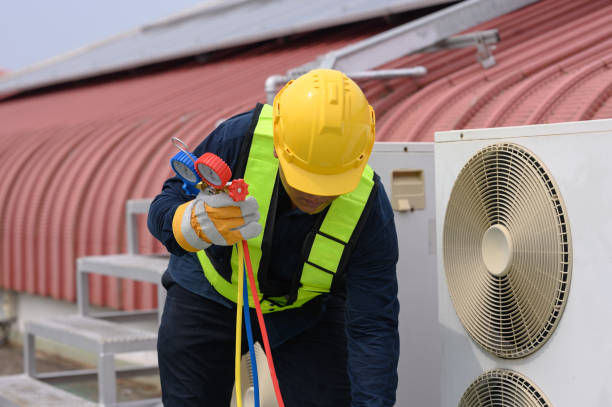
Retail and commercial property owners across Southern California face the same challenge every year. As temperatures rise, systems that appeared stable during cooler months begin to fail under increased demand. HVAC equipment struggles to maintain comfort, irrigation systems reveal inefficiencies, asphalt surfaces deteriorate more rapidly, and concrete walkways develop safety concerns at the exact moment foot traffic increases. This is where a structured Commercial Property Spring Maintenance Checklist becomes essential to identify vulnerabilities before they escalate.
At Pacific Commercial Property Services, we have seen this pattern repeat across shopping centers, office properties, industrial parks, and mixed use commercial assets throughout the Inland Empire, Riverside County, Los Angeles County, and San Diego County. These failures are rarely sudden or unpredictable. In most cases, they are the result of deferred inspections, fragmented vendor oversight, and the absence of a coordinated pre-summer maintenance strategy supported by a comprehensive Commercial Property Spring Maintenance Checklist.
Pre-summer maintenance is not simply a seasonal task. It is a risk management decision that directly impacts operating costs, tenant satisfaction, compliance exposure, and long-term asset performance. For retail owners and commercial property managers, early planning guided by a reliable Commercial Property Spring Maintenance Checklist creates stability during the most demanding months of the year.
This guide is intended to help commercial property owners and managers understand how to prepare their assets for summer conditions by focusing on four critical areas: HVAC systems, irrigation and landscaping infrastructure, asphalt paving, and concrete walkways. More importantly, it explains why a coordinated, general contractor led maintenance approach, anchored by a Commercial Property Spring Maintenance Checklist, is essential for reducing operational risk and avoiding emergency driven decisions.
Commercial Property Spring Maintenance Checklist: Why Pre Summer Maintenance Is a Strategic Business Decision
Summer conditions do not create new problems within a commercial property. They expose existing weaknesses. Mechanical systems that operate adequately during mild weather often fail once sustained heat increases system load. Exterior surfaces deteriorate more quickly when exposed to higher temperatures and increased traffic. Deferred issues become visible, disruptive, and expensive.
From a commercial ownership perspective, pre-summer planning supports several key objectives:
Protecting net operating income by reducing emergency repair premiums
Minimizing tenant disruptions during peak business hours
Reducing liability exposure related to trip hazards and safety concerns
Preserving asset condition through timely corrective work
Retail centers, office properties, warehouses, and industrial facilities do not have the option to pause operations while repairs are completed. Maintenance activities must be scheduled carefully around tenant operations, customer access, and revenue cycles. This makes spring the most critical planning window for commercial property maintenance.
At Pacific Commercial Property Services, our team approaches pre-summer preparation as a structured evaluation process rather than a reactive service call. Early identification of risk allows property owners to control scope, budget, and scheduling rather than responding under pressure.
HVAC Systems: Managing the Highest Risk Asset During Summer
HVAC systems represent the most common source of emergency maintenance calls during summer months in commercial environments. In retail and multi-tenant properties, HVAC failures rarely affect only one occupant. They impact customer experience, tenant revenue, and overall property perception.
In Southern California markets such as the Inland Empire and Los Angeles County, prolonged heat periods place sustained demand on mechanical systems. Even minor deficiencies can lead to system shutdowns when equipment is pushed beyond normal operating conditions.
What a Pre-Summer HVAC Evaluation Should Address
A comprehensive HVAC evaluation conducted before summer should assess more than basic service items. Our team focuses on system performance, capacity, and reliability under peak conditions. This includes:
Verification of overall system output and airflow distribution
Inspection of filters, coils, and air handling components
Refrigerant level verification and leak identification
Electrical system inspection including contactors and controls
Thermostat accuracy and zoning performance
Many summer failures originate from conditions that develop gradually. Restricted airflow, aging electrical components, or calibration drift may not trigger immediate alerts during cooler months. Under sustained heat, these issues often escalate into complete system failure.
Why HVAC Planning Directly Impacts Tenant Retention
For retail tenants, consistent indoor comfort is not optional. Elevated temperatures lead to reduced customer dwell time, employee fatigue, and lost sales. Repeated HVAC issues also undermine tenant confidence in property management and ownership.
Pre-summer HVAC planning allows commercial property owners to:
Schedule corrective work during no- peak operating hours
Avoid emergency labor rates and expedited material costs
Reduce tenant complaints during critical sales periods
Extend the service life of capital intensive mechanical equipment
From a risk management standpoint, HVAC systems should never be evaluated in isolation. Coordination with electrical, roofing, and structural considerations is essential, which is why general contractor oversight plays a critical role.
Irrigation and Landscaping Systems: Protecting Appearance, Safety, and Compliance
Landscaping within a commercial property is more than an aesthetic feature. It contributes directly to curb appeal, tenant branding, pedestrian safety, and regulatory compliance. During summer months, irrigation systems operate more frequently and under greater demand, increasing the likelihood of failure if systems are not evaluated early.
Across Southern California, water use regulations and drought conditions add an additional layer of complexity. Inefficient irrigation systems not only increase operating costs but also expose owners to potential compliance violations.
Common Risks When Irrigation Systems Are Not Evaluated Early
Without a structured pre-summer inspection, irrigation systems often develop issues such as:
Misaligned or damaged sprinkler heads
Subsurface leaks that remain undetected until significant damage occurs
Overspray onto walkways and storefronts creating slip hazards
Inefficient scheduling that increases water usage
Non-compliance with local water use restrictions
These conditions can lead to degraded landscaping, safety concerns, increased utility costs, and avoidable repair expenses.
Strategic Irrigation Planning for Commercial Properties
Effective irrigation preparation should include a system wide evaluation performed by experienced commercial maintenance professionals. Our team focuses on:
Pressure testing and coverage verification
Seasonal schedule adjustments aligned with plant demand
Elimination of overspray in pedestrian areas
Review of compliance with local regulations
Early repair of worn or failing components
For retail centers and office properties, consistent landscaping quality reinforces professionalism and tenant confidence. Pre summer planning allows owners to maintain appearance standards while controlling costs and reducing risk.
Asphalt Surfaces: Addressing Heat Driven Deterioration Before It Escalates
Parking areas, drive lanes, and service access routes are among the most heavily used components of any commercial property. While asphalt deterioration occurs over time, elevated temperatures significantly accelerate wear.
In regions such as Riverside County and San Diego County, summer heat softens asphalt surfaces, increasing vulnerability to traffic stress and moisture intrusion. Minor defects can quickly expand into safety hazards and operational disruptions.
Early Warning Indicators That Require Attention
During spring evaluations, our team commonly identifies conditions such as:
Small cracks that indicate early surface failure
Oxidation that reduces surface flexibility
Depressions caused by subgrade movement
Drainage issues that allow water to accumulate
Left unaddressed, these conditions often worsen rapidly during summer months, leading to potholes, trip hazards, and vehicle damage claims.
Pre-Summer Asphalt Maintenance Strategies
A proactive asphalt maintenance plan may include:
Crack sealing to limit water infiltration
Protective surface treatments to reduce heat exposure
Pavement marking restoration to maintain visibility
Drainage corrections to reduce surface stress
Addressing asphalt conditions before peak temperatures allows property owners to extend pavement life and avoid emergency repairs that disrupt tenant access and customer flow.
Concrete Walkways and Hardscapes: Reducing Liability During Peak Foot Traffic
Concrete walkways, curbs, and loading areas are critical components of commercial property safety and accessibility. Summer heat causes expansion that can worsen existing cracks, joint failures, and uneven surfaces.
Retail centers experience increased foot traffic during summer months, which amplifies liability exposure related to trip and fall incidents.
Why Summer Conditions Increase Concrete Risk
As temperatures fluctuate, concrete surfaces are subject to:
Joint deterioration and separation
Panel movement and surface displacement
Expansion that widens existing cracks
Increased visibility of ADA compliance deficiencies
Without early evaluation, these issues often result in tenant complaints, customer incidents, and potential claims.
Proactive Concrete Evaluation and Repair Planning
Pre-summer concrete preparation should include:
Identification of trip hazards and uneven transitions
Assessment of joint conditions and surface integrity
Repair planning coordinated around tenant schedules
Compliance review for accessibility standards
By addressing concrete issues early, commercial property owners reduce liability exposure and maintain safe, accessible environments for tenants and visitors.
The Importance of Coordinated, General Contractor Led Oversight
One of the most common failures in commercial property maintenance is fragmented vendor management. Mechanical contractors, landscapers, and paving vendors often operate independently, focusing only on their specific scope of work.
Without coordinated oversight, critical issues are missed, scheduling conflicts arise, and repairs are performed without consideration for how systems interact.
At Pacific Commercial Property Services, our general contractor led approach ensures:
Integrated evaluation across mechanical, exterior, and structural systems
Prioritization of work based on risk, budget, and operational impact
Consistent compliance with safety and regulatory requirements
Efficient scheduling that minimizes tenant disruption
This level of coordination is especially important for retail properties and multi tenant commercial assets, where downtime and disorganization directly impact revenue.
Final Perspective: Summer Performance Is Determined in Spring
Commercial properties perform best when maintenance decisions are proactive, coordinated, and informed by real operational conditions. Pre summer preparation allows owners and property managers to maintain control over costs, scheduling, and tenant experience during the most demanding months of the year.
By evaluating HVAC performance, irrigation efficiency, asphalt condition, and concrete safety before temperatures rise, commercial property owners move from reactive problem response to strategic asset management.
Summer conditions are predictable. Emergency driven maintenance does not have to be.
Next Steps: Plan With Confidence
Pacific Commercial Property Services works with commercial property owners and managers throughout Southern California, including the Inland Empire, Riverside County, Los Angeles County, and San Diego County, to deliver coordinated, general contractor led maintenance solutions.
Our team is available to perform pre-summer site walkthroughs, preventative maintenance evaluations, and scope planning that align with your operational priorities and budget objectives.
To schedule a property assessment or discuss a proactive maintenance plan for your commercial asset, contact Pacific Commercial Property Services today. Early planning protects performance, reduces risk, and positions your property for a successful summer season.
Call us at (888) 544-8882


Comments